Bone marrow mononuclear cell transplantation improves mitochondrial bioenergetics in the liver of cholestatic rats
Experimental Cell Research, Volume 336, Issue 1, 1 August 2015, Pages 15-22
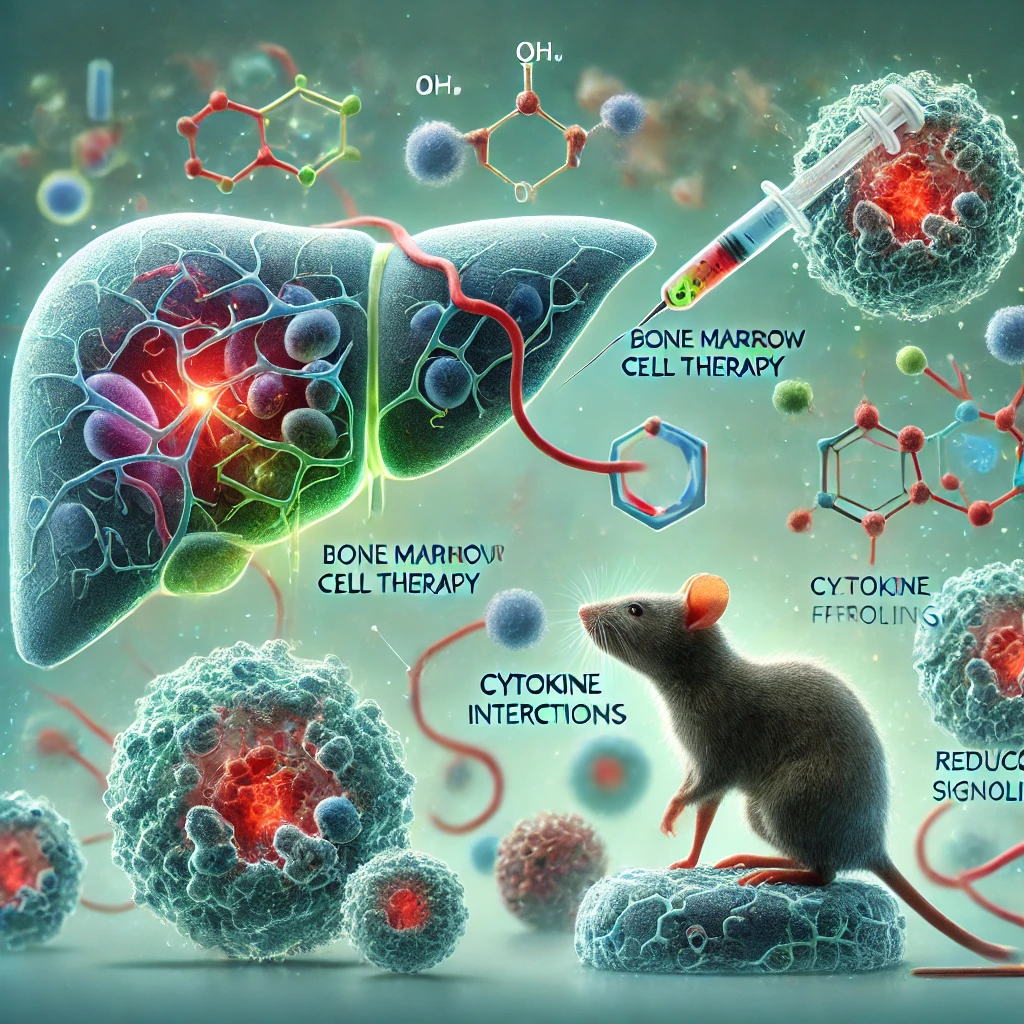
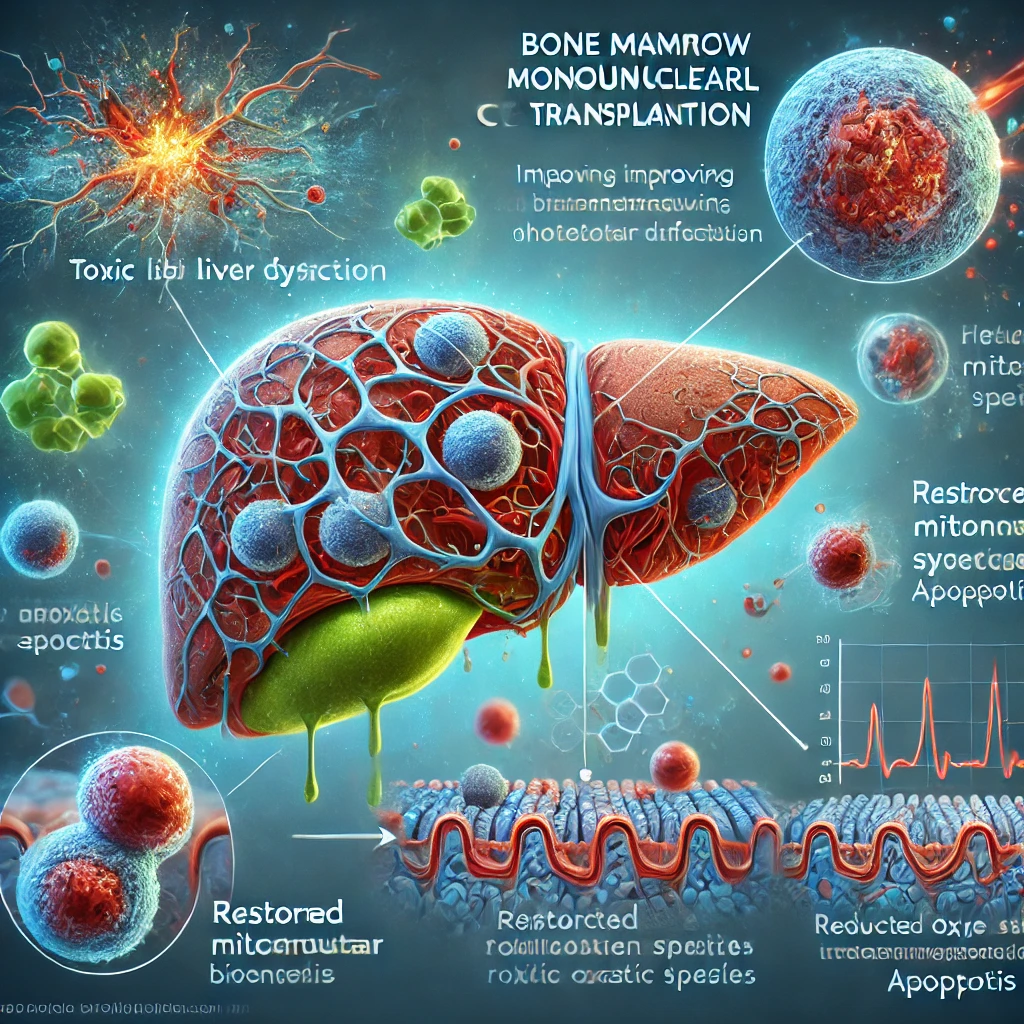
Mitochondrial dysfunction has been associated with liver cholestasis. Toxic bile salt accumulation leads to chronic injury with mitochondrial damage, ROS increase and apoptosis, resulting in liver dysfunction. This study aimed to analyze mitochondrial bioenergetics in rats with hepatic fibrosis induced by bile duct ligation (BDL) after BMMNC transplantation. Livers were collected from normal rats, fibrotic rats after 14 and 21 days of BDL (F14d and F21d) and rats that received BMMNC at 14 days of BDL, analyzed after 7 days. F21d demonstrated increased collagen I content and consequently decrease after BMMNC transplantation. Both F14d and F21d had significantly reduced mitochondrial oxidation capacity and increased mitochondrial uncoupling, which were restored to levels similar to those of normal group after BMMNC transplantation. In addition, F21d had a significantly increase of UCP2, and reduced PGC-1α content. However, after BMMNC transplantation both proteins returned to levels similar to normal group. Moreover, F14d had a significantly increase in 4-HNE content compared to normal group, but after BMMNC transplantation 4-HNE content significantly reduced, suggesting oxidative stress reduction. Therefore, BMMNC transplantation has a positive effect on hepatic mitochondrial bioenergetics of cholestatic rats, increasing oxidative capacity and reducing oxidative stress, which, in turn, contribute to liver function recover.